Select your text size for this site here: Normal Text Medium Text Large Text

Surgical Adhesions and Scars

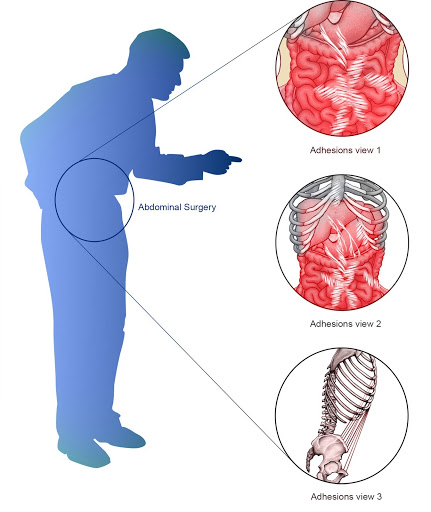
Many of the body’s structures and systems are intimately involved, making it easier for post-surgical adhesions to create unusual symptoms and pulls in the body, distant from the surgical site. Many of the body’s structures and systems are intimately involved, making it easier for post-surgical adhesions to create unusual symptoms and pulls in the body, distant from the surgical site.

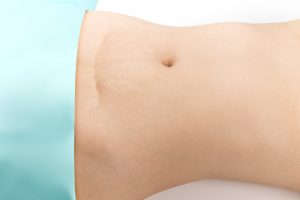
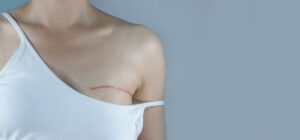
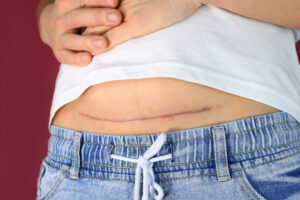
Muscles, bones, nerves, blood vessels, and connective tissues are intimately involved structures within the body. When any area of the body undergoes a surgical procedure, part of the surgeon’s challenge is to repair the structures in need, without traumatizing nearby tissues. Unfortunately, post-surgical adhesions and scars are a natural and necessary part of the recovery process, as tissues heal after surgery.

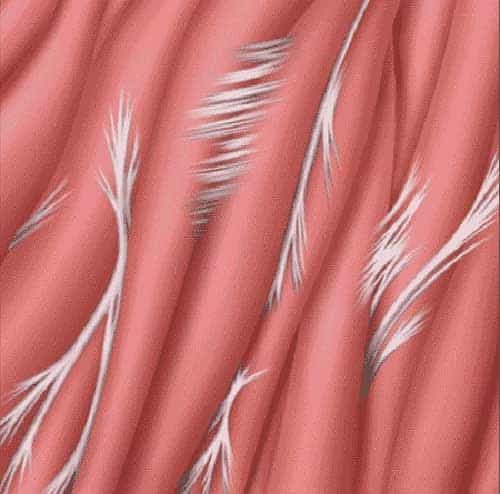
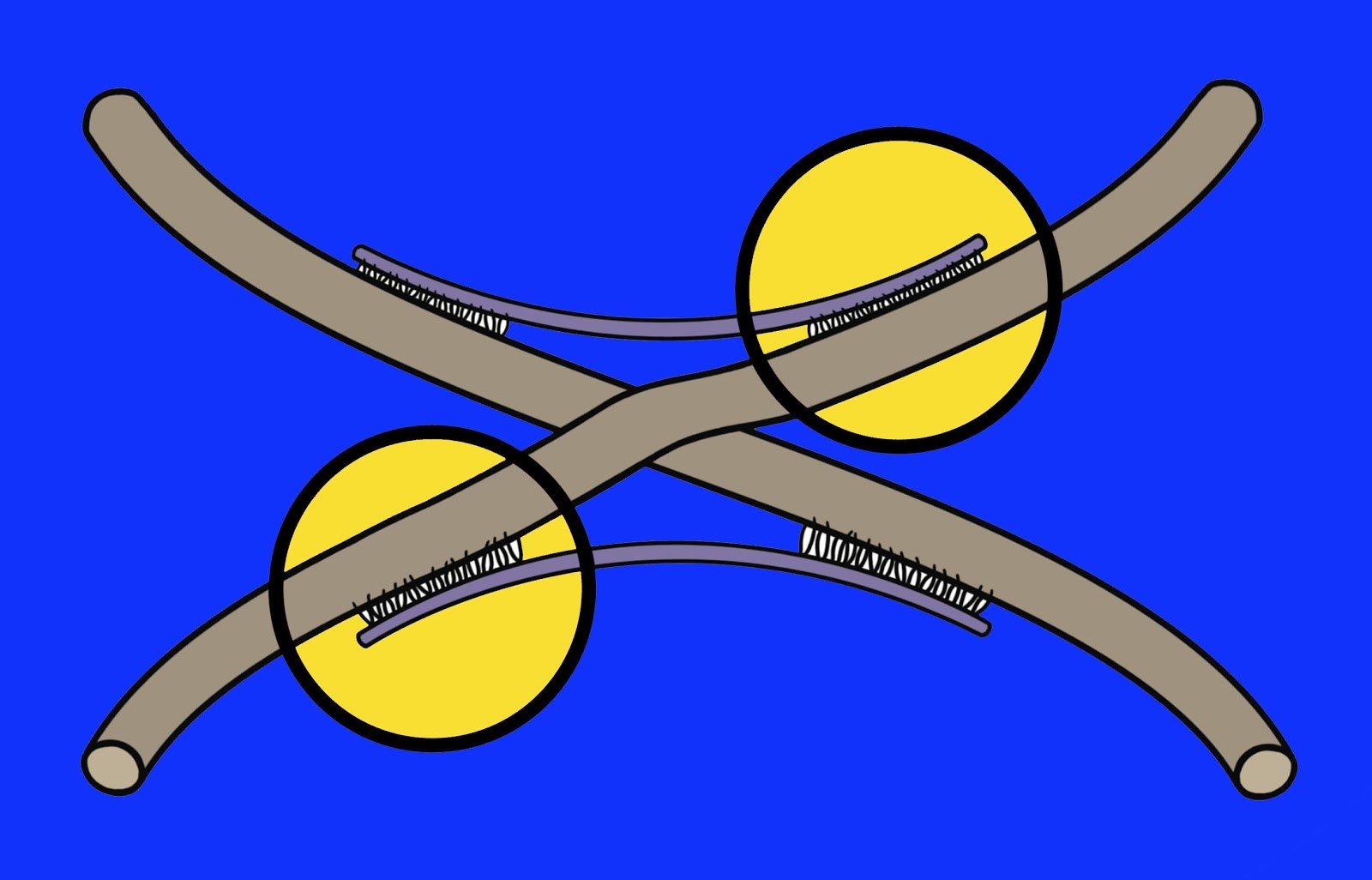
Adhesions form as the first step in the healing process (see our general adhesions page for more detail) . Tiny crosslinks (the ‘building blocks’ of adhesions, shown below) rush in to begin the repair process. These microscopic but strong fibers begin the process of post-surgical adhesion formation, creating scars that last a lifetime.

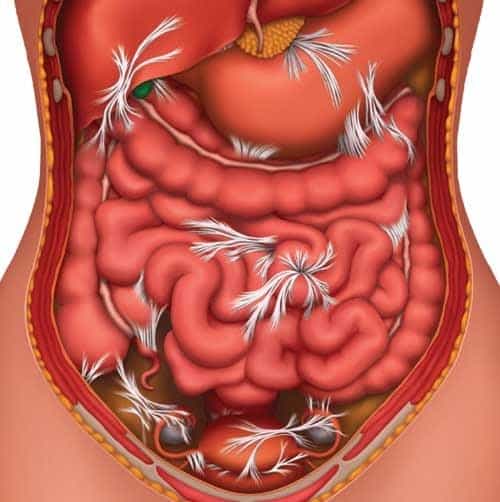
Crosslinks, adhesions, and scars all describe the same product of healing – a glue-like substance that forms in three areas:

  1. in tissues the surgeon cut to access the surgical site
  2. where the surgeon cut, burned, or sutured tissues that required surgical intervention, and
  3. in nearby tissues that were inflamed by the surgery, or by adhesive pulls after the surgery.

In an ideal recovery, surgical adhesions and scars glue sites that were cut, and the places where the doctor repaired tissues – and go no further. In some cases, post-surgical a dhesions grow beyond the surgeon’s initial intent. These additional adhesions may bind neighboring structures that are designed to move independently. When that happens, the post-surgical adhesions and scars can create unusual symptoms and pulls in the body, often accompanied by pain or dysfunction that can confound patient and physician alike.


Strong, microscopic fibers begin the process of post-surgical adhesion formation, creating scars that last a lifetime. Strong, microscopic fibers begin the process of post-surgical adhesion formation, creating scars that last a lifetime.

Repairing Surgical Adhesions by Repeat Surgery

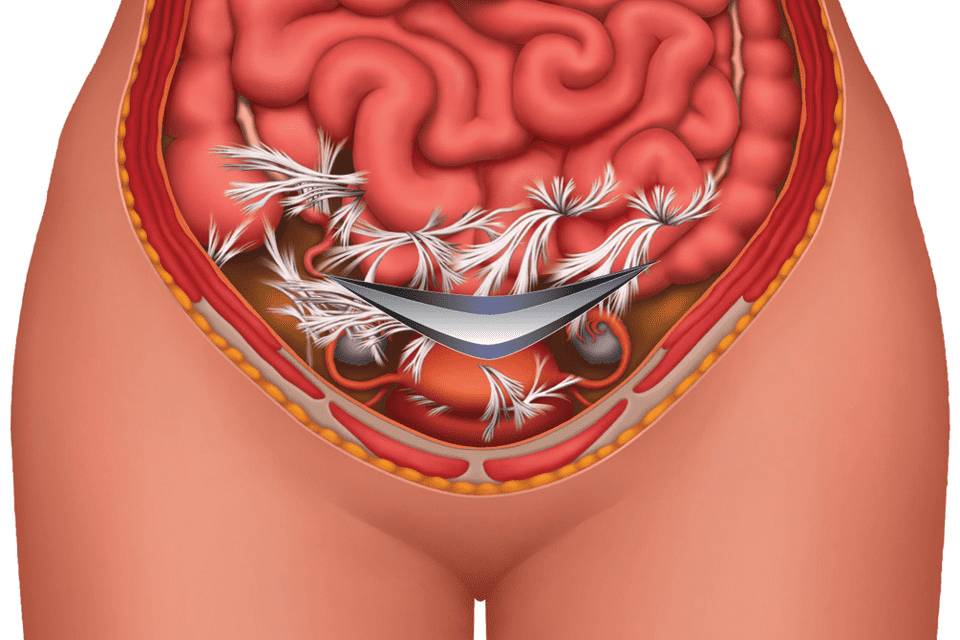
Lysis of adhesions involves surgery and anesthesia.Lysis of adhesions involves surgery and anesthesia.

Until recently, lysis of adhesions was the only choice medical science offered to treat adhesions. This involves cutting or burning the adhesions under general anesthesia, via laparoscopy or laparotomy (open surgery).

While lysis of adhesions can be effective, surgery has two major drawbacks:

  1. it carries risks from anesthesia and infection, and
  2. despite the best skills of the finest surgeon, the body creates more adhesions as it heals from the surgery designed to remove them.

This last concern was highlighted in a large study of surgery patients. Lancet: The British Journal of Surgery (1999, Ellis) reported that 35% of all open abdominal or pelvic surgery patients were readmitted to the hospital more than twice to treat post-surgical adhesions, during the 10 years after their original surgery. Many follow-up surgeries (22%) occurred in the first year after surgery, and “readmissions continued steadily throughout the 10-year period” of the study.

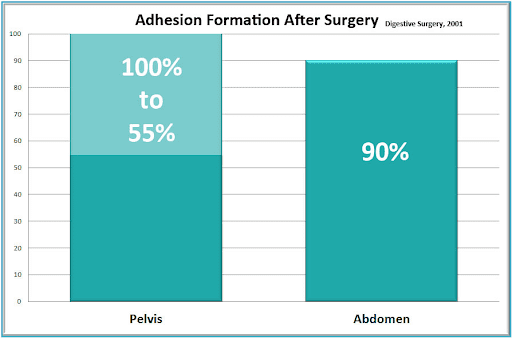
For even the most skilled surgeon, surgery is a primary cause of adhesions. Data from another British Journal of Surgery study suggests that 67% to 93% of patients will develop post-surgical adhesions following open abdominal surgery and 55% to 100% of patients will develop post-surgical adhesions following open gynecologic surgery. Thus, many patients become trapped in a cycle of surgery-adhesions-surgery – with no end in sight.


Non-Surgical Treatment: the Wurn Technique®

Belinda Wurn, PT treats a patient with her manual physical therapy which has been shown to reduce adhesions, decrease pain, and improve function, in peer-reviewed medical journals. Belinda Wurn, PT treats a patient with her manual physical therapy which has been shown to reduce adhesions, decrease pain, and improve function, in peer-reviewed medical journals.

We know post-surgical adhesions well. We faced this situation 20 years ago when the physical therapist director of Clear Passage Therapies®, Belinda Wurn, developed severe adhesions after pelvic surgery and radiation therapy to her abdomen. Unable to work due to the pain, and having seen the devastating and debilitating effects of adhesions in her own patients, she was determined to find a non-surgical way to address adhesions.

With her husband, massage therapist Larry Wurn, Belinda took a much deeper look at the etiology and biomechanics of adhesion formation. They found that the chemical bonds that attached each of the tiny collagen fibers to its neighbor appeared to dissipate or dissolve when placed under sustained pressure over time. With this knowledge, they developed the Wurn Technique® to unravel the bonds between the crosslinks that comprise adhesions.

The “hands-on” work practiced at Clear Passage Therapies® clinics is designed to reduce or eliminate adhesions, crosslink by crosslink. It has been shown in peer-reviewed medical journals to reduce adhesions, decrease pain, and improve soft tissue mobility, without the risks of surgery or drugs.

Visit our “what treatment is like” web page for more information, or click the link at the bottom of this page now, to complete a medical history questionnaire and apply for a free, in-depth consultation.